


sintered ndfeb magnets
In the world of electromagnetism, magnetic materials are the unsung heroes that power everything from electric motors to transformers. Whether you’re designing motors, sensors, or energy-efficient devices, the right magnetic materials are crucial to achieving optimal performance. Among these materials, soft magnetic materials , sintered magnets , and sintered ferrite magnets stand out as the key players in modern technological advancements. Understanding their properties, applications, and benefits can help manufacturers and engineers select the right materials for their needs, ensuring reliable and efficient performance. What Are the Different Types of Soft Magnetic Materials? Soft magnetic materials are a category of materials that exhibit high magnetic permeability, meaning they can easily be magnetized and demagnetized. These materials are widely used in applications where the magnetic field needs to be quickly changed or switched off, such as in transformers, motors, and inductors. Unlike hard magnetic materials, which retain their magnetization, soft magnetic materials lose their magnetism once the external magnetic field is removed. The most common types of soft magnetic materials include: Iron-based materials : These include pure iron, silicon steel, and iron alloys. These materials are used in electrical applications like transformer cores and electric motors due to their high magnetic permeability and low core losses. Alloyed soft magnetic materials : These alloys, such as permalloy (nickel-iron alloys) and cobalt-based alloys, offer higher magnetic permeability and are used in high-performance applications like sensors and high-frequency transformers. Amorphous and nanocrystalline materials : These materials have a non-crystalline atomic structure, which allows for minimal energy loss and high efficiency, making them ideal for high-frequency applications. Powdered soft magnetic materials : These materials are made by sintering metal powders together and are used in applications that require high precision and low eddy current losses. Choosing the right type of soft magnetic material depends on factors like the specific application, operating frequency, and required efficiency. As technological demands grow, new innovations in soft magnetic materials continue to emerge, providing more efficient and cost-effective solutions for a variety of industries. The Role and Advantages of Sintered Magnets in Modern Manufacturing A sintered magnet is a type of magnet created by compacting and heating metal powders (typically iron, cobalt, or nickel) to form a solid mass. The sintering process results in a dense, durable, and stable magnetic material with highly uniform properties. Sintered magnets are widely used in various applications due to their high magnetic strength and reliability. One of the key advantages of sintered magnets is their ability to be customized in terms of shape, size, and magnetic properties. This flexibility makes them ideal for a wide range of industries, including automotive, electronics, aerospace, and consumer goods. Sintered magnets are commonly used in electric motors, magnetic sensors, and actuators due to their excellent magnetic performance and resistance to demagnetization. Additionally, the sintering process allows for the creation of complex shapes that would be difficult to achieve with other manufacturing methods. This means that sintered magnets can be tailored to meet the specific requirements of a given application, reducing material waste and improving efficiency. Furthermore, sintered magnets typically have higher energy densities and better mechanical properties compared to other types of magnets, making them an attractive choice for high-performance applications. Understanding Sintered Ferrite Magnets and Their Applications Sintered ferrite magnets are a specific type of sintered magnet made from a ceramic material composed primarily of iron oxide and other metal oxides, such as barium or strontium. These magnets are formed through the sintering process, which involves heating the metal powders in a furnace to create a dense and strong magnet. Due to their unique material composition, sintered ferrite magnets offer several distinct advantages, including their cost-effectiveness, stability, and resistance to corrosion. Sintered ferrite magnets are commonly used in applications that require permanent magnets with moderate magnetic strength. They are ideal for use in motors, loudspeakers, magnetic separators, and magnetic resonance imaging (MRI) machines. These magnets are also used in a wide range of consumer electronic products, such as refrigerators, vacuum cleaners, and toys, due to their affordability and durability. One of the major benefits of sintered ferrite magnets is their high coercivity, which means they are resistant to external magnetic fields that might otherwise demagnetize them. This makes them highly reliable for long-term use in a variety of environments. Additionally, sintered ferrite magnets can be manufactured in a variety of shapes and sizes, allowing for greater flexibility in design and application. Despite their moderate magnetic strength compared to rare-earth magnets, sintered ferrite magnets are widely used due to their low cost and excellent performance in everyday applications. Their ability to maintain a strong magnetic field over time makes them a go-to choice for many industries looking to balance cost and performance. The Advantages of Using Sintered Magnets in Industrial Applications Sintered magnets, including sintered ferrite magnets , offer several key advantages that make them particularly well-suited for industrial applications. First and foremost, their high magnetic energy product allows for efficient energy conversion in motors, actuators, and sensors. Sintered magnets are able to generate a strong and stable magnetic field, which is essential for high-performance applications. Another significant benefit of sintered magnets is their mechanical strength. These magnets are highly durable and can withstand harsh environments, including high temperatures and vibrations. This makes them ideal for use in industries like automotive, aerospace, and industrial robotics, where reliability and durability are crucial. Additionally, sintered magnets are often resistant to corrosion, further extending their lifespan and reducing maintenance requirements. The versatility of sintered magnets also makes them attractive for use in complex systems. Whether the application requires small, intricate components or large, heavy-duty magnets, sintered magnets can be manufactured to meet a wide range of specifications. This flexibility allows engineers to design more compact and efficient systems, reducing material costs and improving overall performance. Choosing the Right Sintered Magnet for Your Application When selecting the right sintered magnet for your application, it’s essential to consider several factors. The first consideration should be the required magnetic strength, as different sintered magnets have varying energy products. For applications requiring higher magnetic strength, rare-earth magnets like neodymium may be the best choice, while sintered ferrite magnets are ideal for moderate-strength applications. Other factors to consider include the environmental conditions in which the magnet will operate, such as temperature, humidity, and exposure to corrosive substances. In these cases, selecting a sintered magnet with high coercivity and corrosion resistance will ensure long-term performance. Additionally, the shape and size of the magnet should be taken into account, as certain shapes may be better suited for specific applications. Sintered magnets can be manufactured in a wide range of shapes, including rings, discs, blocks, and custom geometries, allowing for tailored solutions to fit your design needs. Ultimately, choosing the right sintered magnet involves balancing cost, performance, and environmental factors. By working with a knowledgeable manufacturer, you can ensure that your magnets meet the necessary specifications and provide reliable performance in your application. Sintered Magnet FAQs What are the primary differences between soft magnetic materials and permanent magnets? Soft magnetic materials can be easily magnetized and demagnetized, making them ideal for use in transformers, motors, and inductors. Permanent magnets, on the other hand, retain their magnetization and are used in applications like motors, sensors, and magnetic storage. What makes sintered ferrite magnets different from other sintered magnets? Sintered ferrite magnets are made from iron oxide and other metal oxides, such as barium or strontium. They are less expensive than rare-earth magnets but still provide good magnetic strength and corrosion resistance, making them ideal for moderate-strength applications. Can sintered magnets be customized for specific applications? Yes, sintered magnets can be customized in terms of shape, size, and magnetic properties to meet the specific requirements of your application. This customization ensures that the magnets fit perfectly and deliver optimal performance. What industries use sintered ferrite magnets? Sintered ferrite magnets are widely used in automotive, consumer electronics, magnetic resonance imaging (MRI), and industrial applications, such as loudspeakers, motors, and magnetic separators. How do I choose the right sintered magnet for my application? When selecting a sintered magnet , consider factors such as required magnetic strength, environmental conditions (e.g., temperature, humidity), and the shape or size of the magnet needed for your design. A reputable manufacturer can help guide you through the selection process.


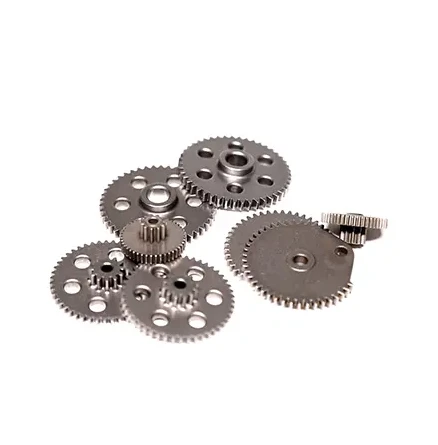
Water Pump Wheel-Shijiazhuang Jingshi|Precision Engineering, Durable Components
High-Performance Sintered Structural Parts | GPT-4 Turbo AI
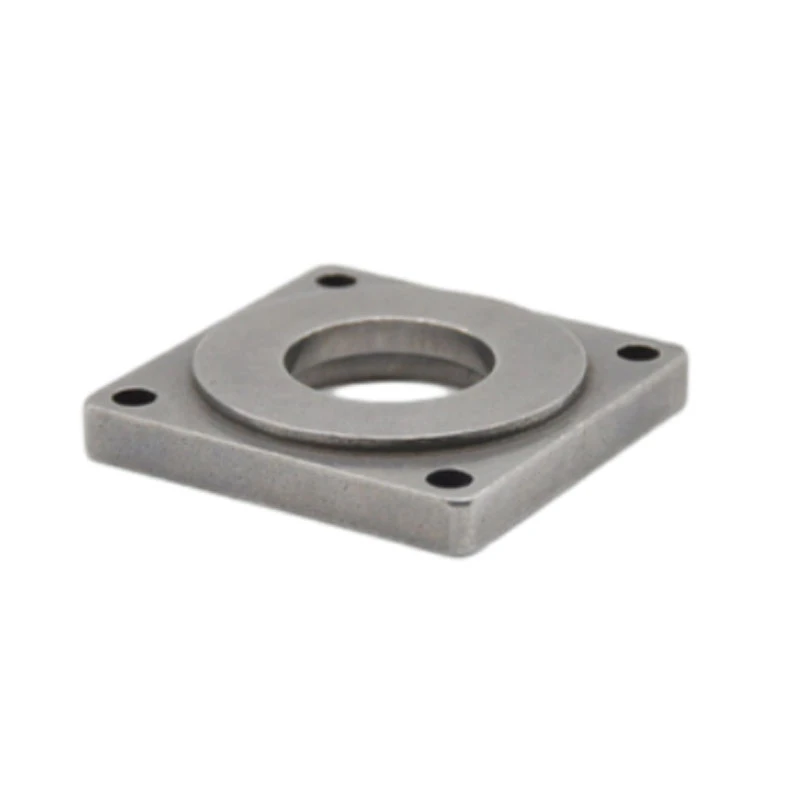
Subscribe For Newsletter

Shijiazhuang JingShi New Material Science and Technology Co., Ltd was founded since 2014, located in Shijiazhuang, Hebei province, China. The company covers an area of over 10,000 square meters and has


PRODUCTS

QUICK LINKS
CONTACT US
Address:TIANSHAN INTERNATIONAL MANUFACTURING INDUSTRY PARK NO.57, YUANSHI, SHIJIAZHUANG CITY, HEBEI PROVINCE, CHINA
Address:TIANSHAN INTERNATIONAL MANUFACTURING INDUSTRY PARK NO.57, YUANSHI, SHIJIAZHUANG CITY, HEBEI PROVINCE, CHINA